Rail Systems Projects
Dudullu Bostancı Metro
Dudullu Bostancı Metro
A metro line integrating the Asian Side with maritime and rail transport
Istanbul, Dudullu to Bostancı route

Dudullu Bostancı Metro
General Information

Location
Istanbul, Dudullu to Bostancı route

Employer
İstanbul Büyükşehir Belediyesi

Project Scale
14.4 km of tunnels

Infrastructure Components
13 stationsTwo-storey parking areaTwo-storey train stabling structure and tracks

Function
A metro line facilitating Asian Side public transport, integrated with Marmaray and ferry routes
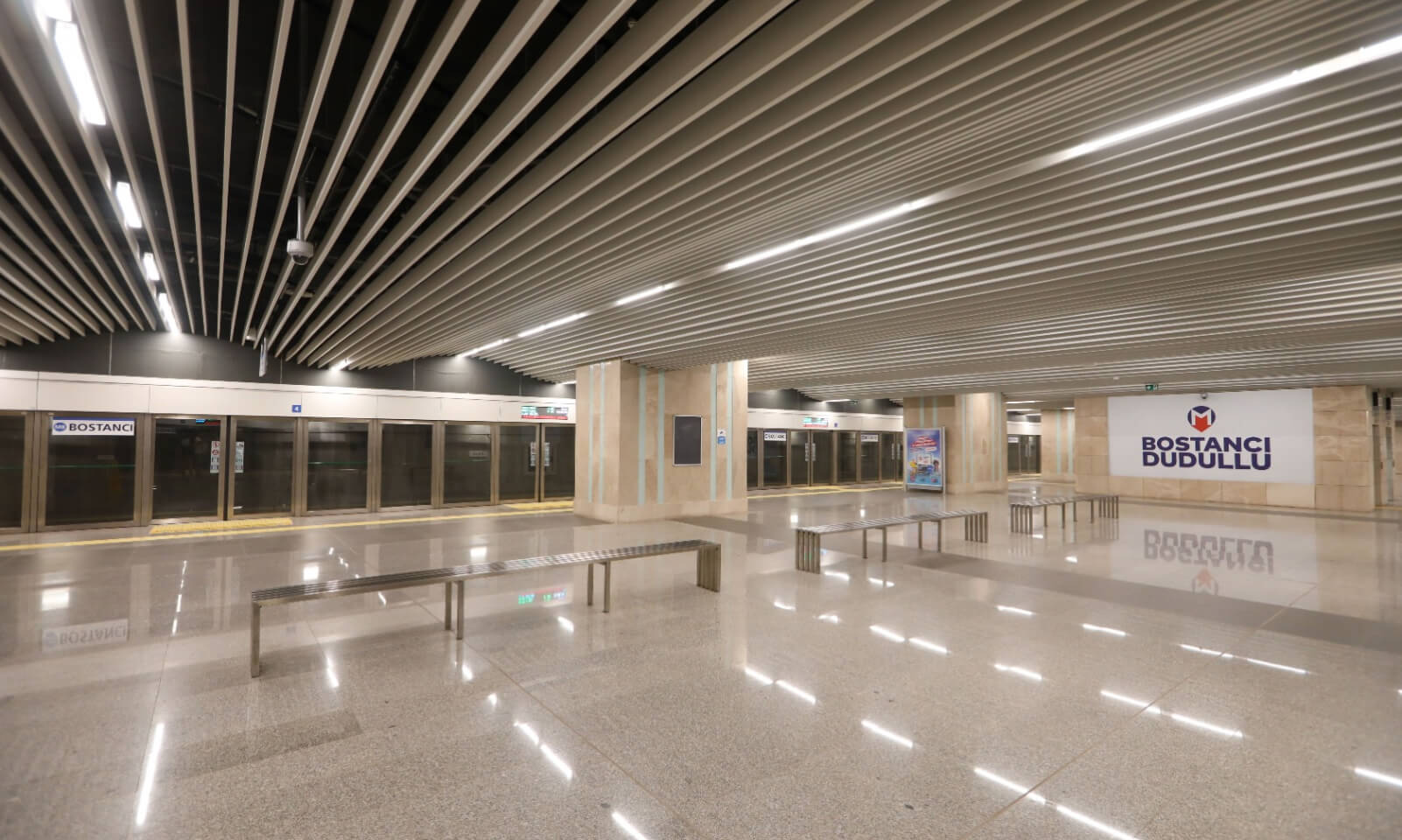
Strengthening public transport on Istanbul's Asian Side, Dudullu Bostancı Metro is one of the city's most important metro projects on its east west axis.
Architectural and Engineering Details
The metro was built with 14.4 km of tunnels. Modern architecture and passenger comfort guided station design. A two storey car park and two storey train stabling structure also provide high capacity for both passengers and operations.
Technologies and Innovations Used
The line has fully automatic driverless technology, modern signaling, ventilation and safety systems. Train stabling and maintenance facilities enable fast, uninterrupted operation.
Special Solutions
Integrated planning with Marmaray and maritime transport achieved multimodal public transport connections. Car parks provide a park and ride option.
Project Stages and Challenges
Construction Stages
01
14.4 km of tunnel excavation: 12.9 km of twin tube single track TBM tunnels and 1.5 km of single tube double track NATM tunnels
02
Construction of 13 stations
03
Construction of car parks and train stabling areas
04
Commissioning of signaling, electrification and driverless systems
Solutions

Tunnel excavation followed day and night schedules to accommodate heavy urban traffic. TBM technology minimized environmental impacts. Planning prioritized integration with different transport modes.
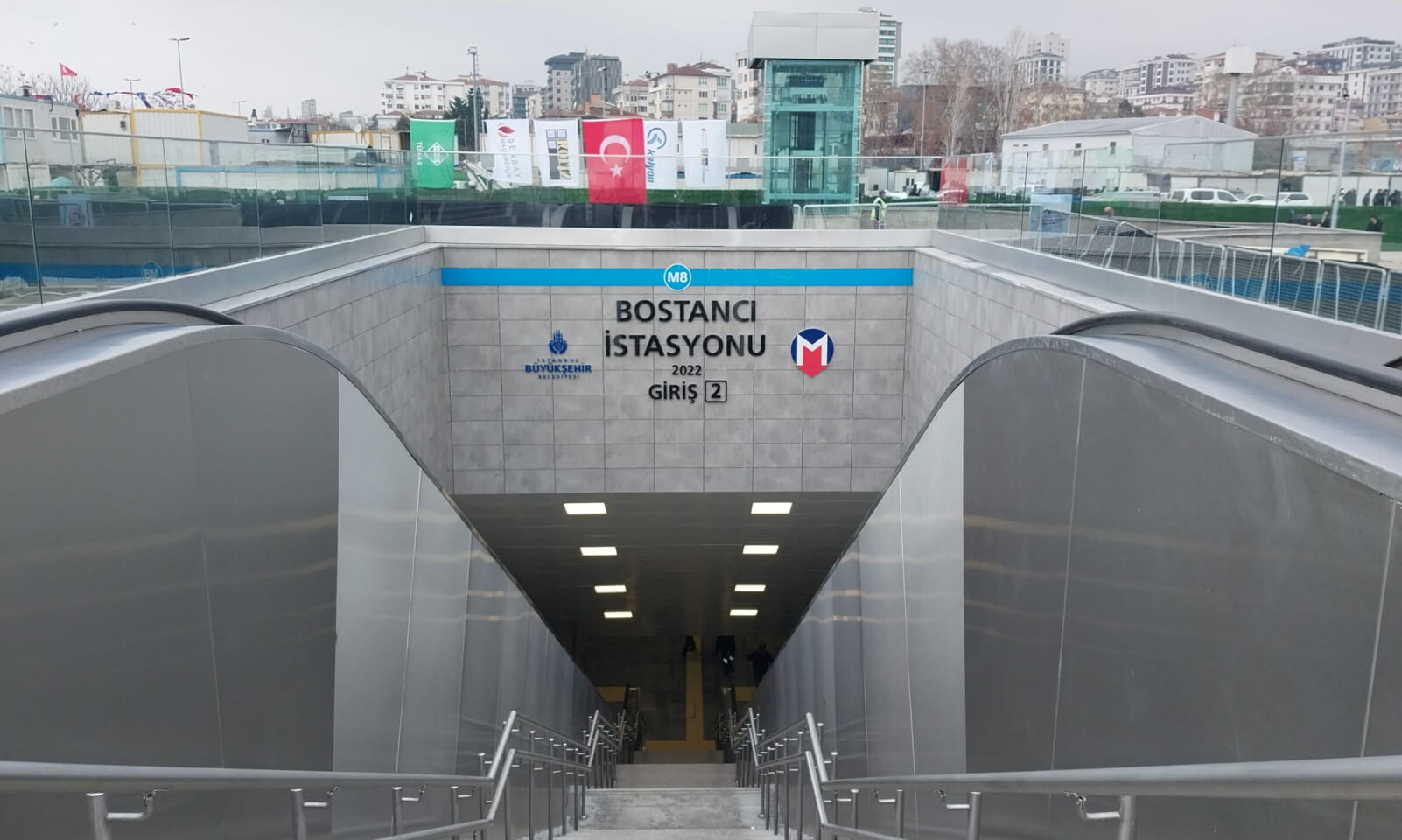
The 13 station line adds value to the city's transport network through connections to Marmaray and ferry routes at Bostancı Station.

Sustainability
Economic and Social Impact

It provided fast, safe transport between Asian Side business and residential centers.

Marmaray and ferry connections strengthened urban integration.

Time and fuel savings benefited individuals and the city's economy.
Sustainability and Environmental Sensitivity

Construction Period
Tunnel boring machines (TBMs) produced less dust, noise and vibration than conventional excavation, minimizing environmental impacts.

An excavation management plan classified excavated materials for filling and reuse.

Local materials and supply chains reduced carbon footprint and logistical costs.

Sites used water recovery systems, energy efficient generators and LED lighting.

Special noise and vibration insulation minimized effects on the dense urban fabric.

Operational Period
The electric driverless metro reduced carbon emissions and energy consumption.

Greater public transport capacity reduced private car use, traffic congestion and noise pollution.

Durable rail infrastructure provided an environmentally friendly, sustainable transport model.
Gallery


Other Projects